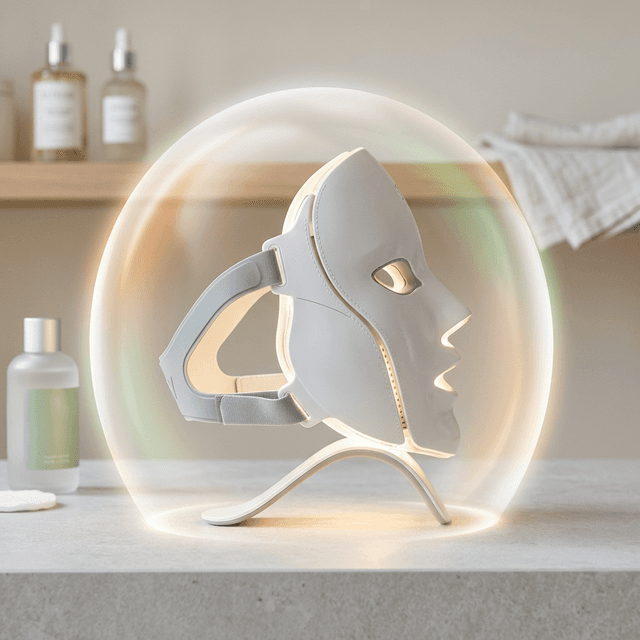
One of the most common questions we hear: "Are LED face masks actually safe?" The short answer is yes — LED light therapy is one of the lowest-risk skincare technologies available. But "low risk" doesn't mean "zero considerations." Let's cover what you need to know.
Why LED Light Therapy Is Considered Safe
LED light therapy uses non-ionizing light — meaning it doesn't carry enough energy to damage DNA or cause cellular mutations (unlike UV light from the sun or tanning beds). This is a fundamental distinction:
- UV light (ultraviolet) — Can damage DNA, cause sunburn, increase skin cancer risk. This is NOT what LED face masks use.
- LED light (visible red, blue, NIR) — Non-ionizing, non-thermal at the intensities used in consumer devices. Works through photobiomodulation, stimulating natural cellular processes.
The FDA classifies most LED light therapy devices as Class II medical devices (moderate risk), which is the same category as electric heating pads and powered wheelchairs. Many consumer devices are listed under this classification.
Potential Side Effects
While serious adverse effects are rare, some users may experience:
Common (Usually Temporary)
- Mild skin warmth or tingling — Normal during and shortly after treatment. Should resolve within 30 minutes.
- Slight redness immediately after use — Usually subsides within an hour. This is different from long-lasting redness, which could indicate overuse.
- Eye strain or headache — Almost always caused by insufficient eye protection. Always use the shields or goggles provided.
Less Common
- Temporary dryness — Some users notice slightly drier skin during the first week. Usually resolves as skin adjusts. Staying hydrated and using moisturizer after sessions helps.
- Initial breakout — Especially with blue light therapy for acne, some users experience a brief increase in breakouts before improvement (similar to the "purging" phase seen with retinoids). This typically resolves within 1–2 weeks.
Rare
- Contact irritation — From the mask material itself (not the light). If you have sensitive skin, test the mask on a small area first. Silicone is generally the least irritating material.
- Photosensitivity reaction — If you're taking photosensitizing medications (see below).
Who Should Avoid or Use Caution
Consult Your Doctor First If:
- You're taking photosensitizing medications — including certain antibiotics (tetracyclines, fluoroquinolones), retinoids (isotretinoin), NSAIDs, or some psychiatric medications. These can increase your skin's sensitivity to light.
- You have epilepsy or seizure disorders — some LED devices flash or pulse, which could potentially trigger photosensitive epilepsy in susceptible individuals.
- You have active skin infections, open wounds, or severe sunburn — wait until healed before using.
- You're pregnant — while no evidence suggests LED therapy is harmful during pregnancy, there's limited research specifically on pregnant populations. Most dermatologists recommend erring on the side of caution.
It's Generally Fine For:
- All skin types and tones (Fitzpatrick I–VI)
- Sensitive skin (start with shorter sessions)
- Teens with acne (with parental guidance)
- Alongside most topical skincare products
Eye Safety: The One Non-Negotiable
This is the most important safety consideration with any LED face mask. Even though red and NIR light aren't inherently damaging at low intensities, prolonged direct exposure to concentrated LED arrays can cause:
- Retinal discomfort
- Temporary afterimages
- In extreme cases, potential retinal stress
Always:
- Use built-in eye shields if your mask has them
- Wear the provided safety goggles if your mask doesn't have shields
- Keep your eyes closed during treatment even with protection
- Never look directly at the LED array when powered on
Signs You Should Stop and Reassess
- Persistent redness lasting more than 2 hours after treatment
- Burning or pain during use (mild warmth is normal; pain is not)
- Unusual skin reactions (rash, blistering, significant irritation)
- Recurring headaches after sessions
If you experience any of these, stop using the device, allow your skin to recover, and consult a dermatologist before resuming.
Frequently Asked Questions
Can LED face masks cause cancer?
No. LED face masks emit non-ionizing light that cannot damage DNA. This is fundamentally different from UV radiation (which does increase cancer risk). There is no scientific evidence linking LED light therapy at therapeutic wavelengths to cancer development.
Are cheaper LED masks less safe than expensive ones?
Price doesn't directly correlate with safety, but higher-quality devices more often include proper eye shielding, use tested wavelengths, and provide clear usage instructions. When evaluating any mask, focus on whether it includes eye protection and lists specific wavelengths rather than vague claims.
From article to shortlist
Open the catalog with concern filters, compare models side by side, or read a focused buying guide.
Find Your Perfect LED Face Mask
Browse our curated collection of verified LED face masks. Compare wavelengths, materials, and specs to find the right mask for your skin goals.
Browse Collection →